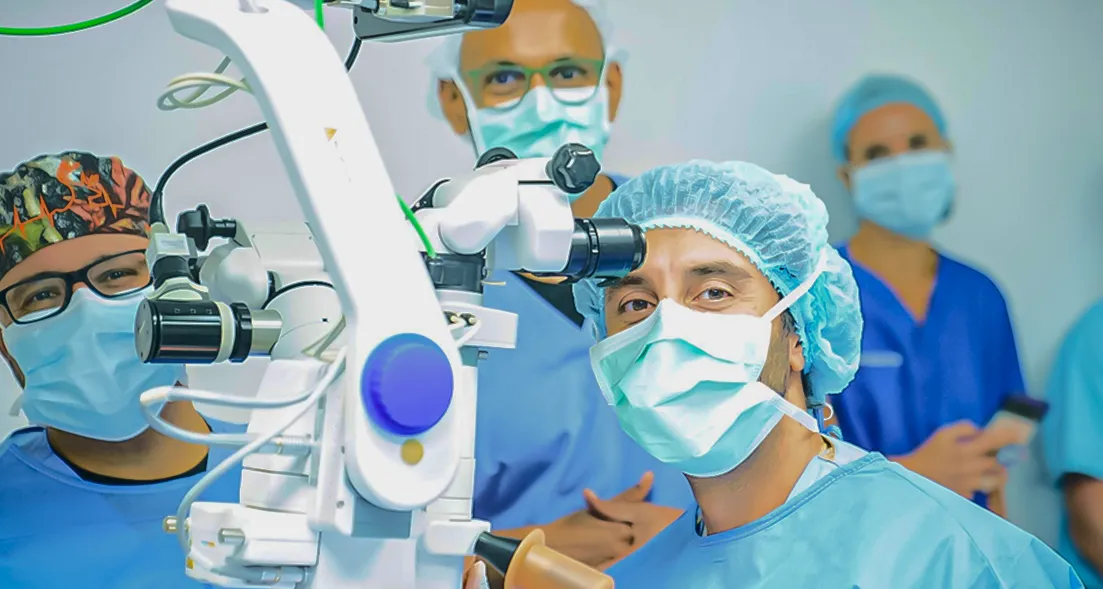

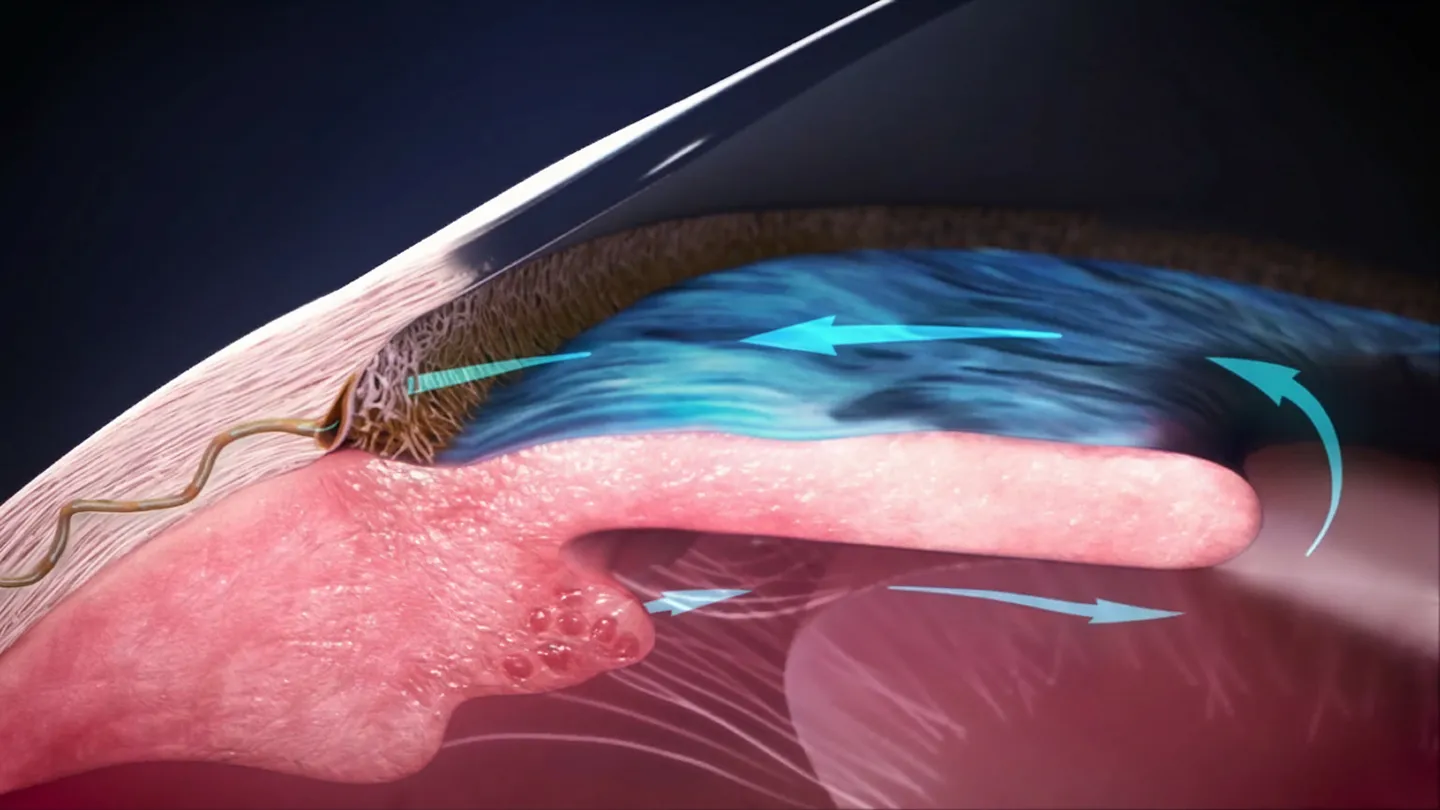
Canaloplasty is an angle-based MIGS procedure designed to restore flow through the conventional outflow pathway using 360° catheterization and pressurized viscodilation. It works with the eye’s natural drainage anatomy, addressing resistance across the trabecular meshwork, Schlemm’s canal and collector channels. With microcatheter-based canaloplasty such as iTrack Advance, surgeons can navigate the canal with visual guidance while preserving tissue rather than relying on approaches that require cutting through the trabecular meshwork.

Lower IOP—Often With Fewer Or No Drops
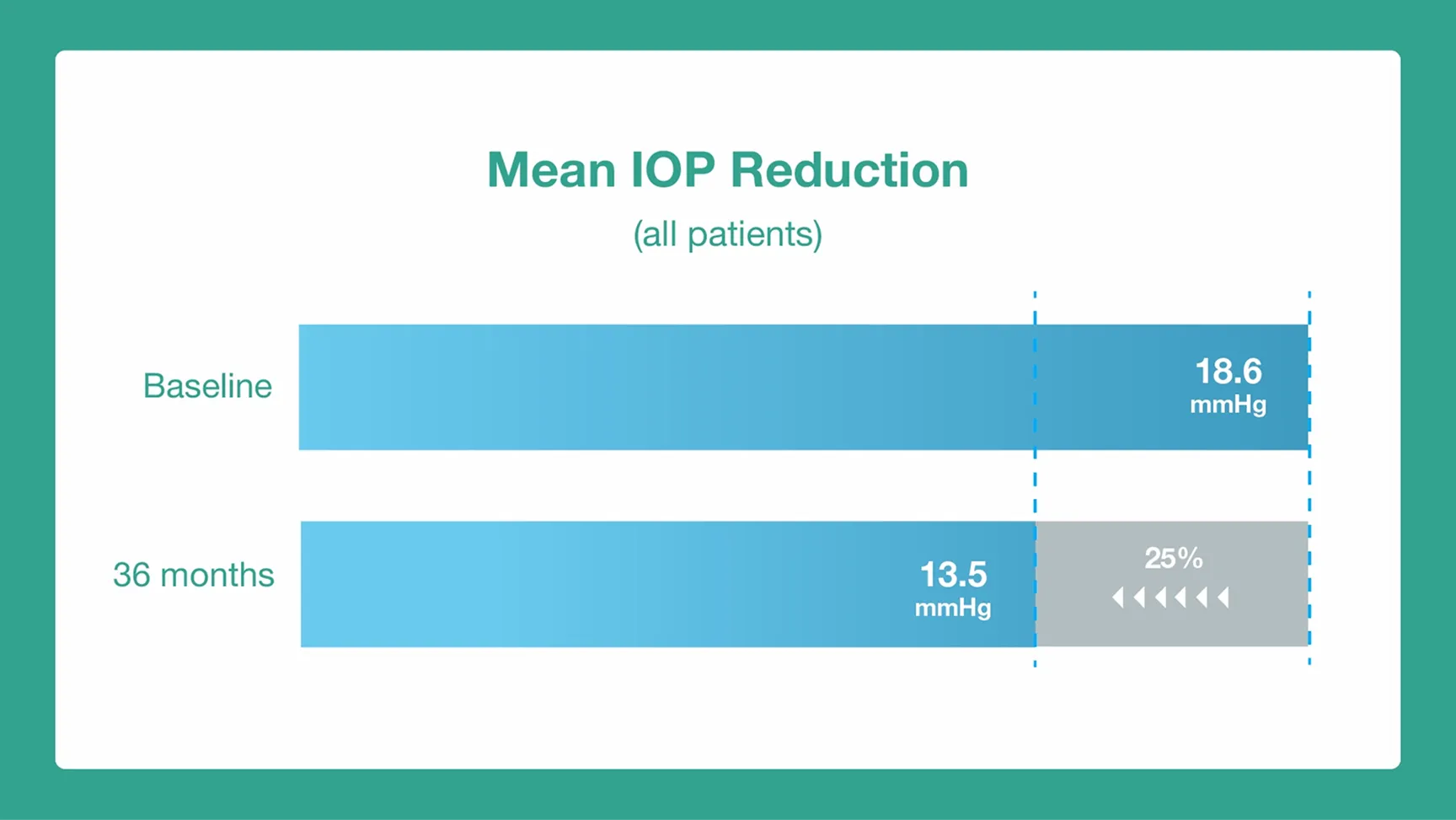
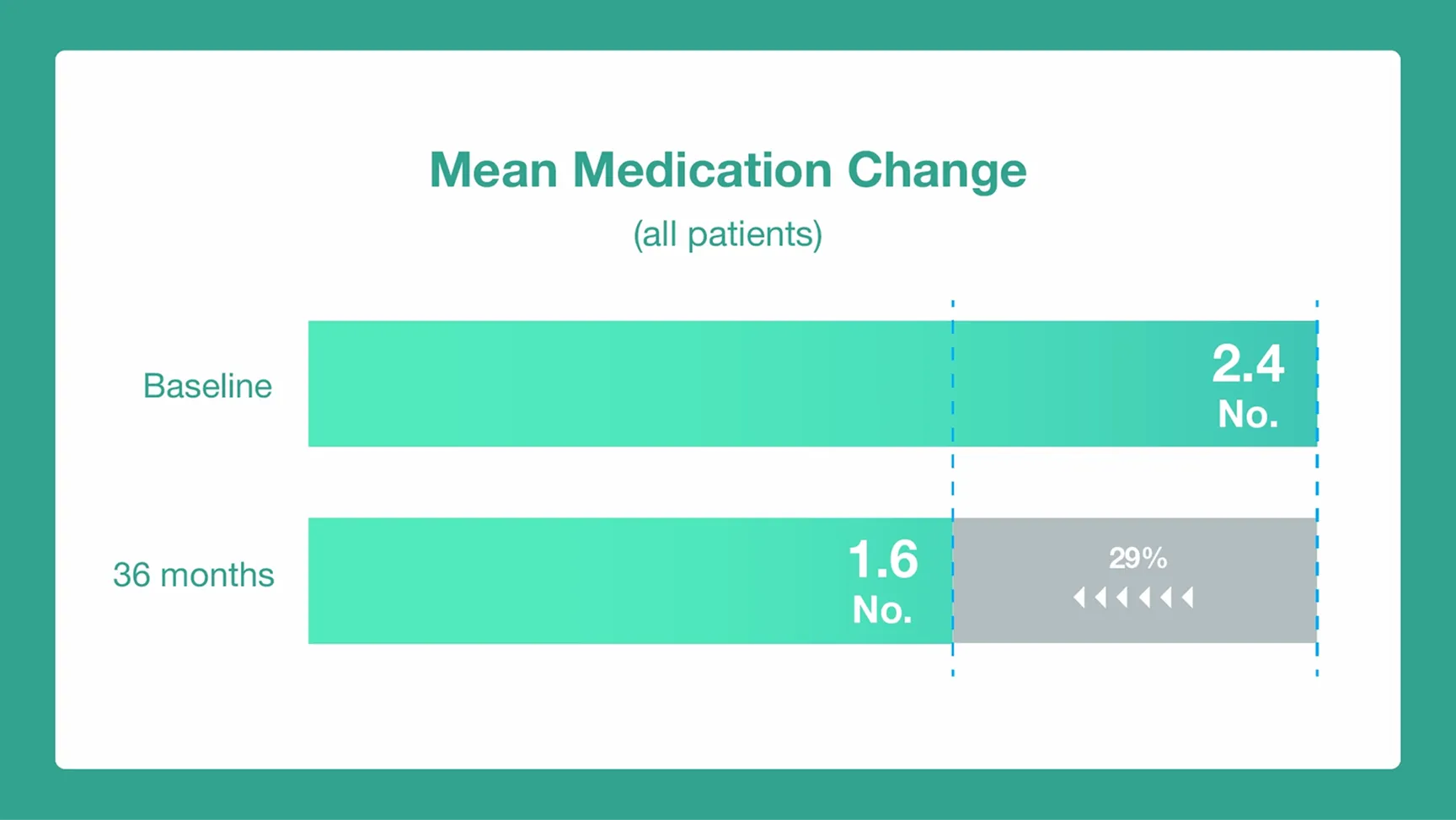
Published outcomes report a clinically and statistically meaningful reduction in IOP from 20.5 to 13.3 mmHg at 36 months (1). A reduction in medication burden by up to 50% through 6 years has also been observed (2).

Proven Safety
Designed to work with patient physiology and without the need for any hardware, canaloplasty is reported to have a robust safety profile. In a prospective, real-world study of 254 patients (344 eyes), intraoperative complications were rare, with only one case (0.3%) of Descemet's membrane detachment reported. Postoperatively, adverse events occurred in 2.3% of eyes (n = 8). (3)

Real-world Credibility
Published outcomes from the iTrack Global Data Registry (iTGDR)—run through the independent International Glaucoma Surgery Registry (IGSR)—confirm that canaloplasty delivers consistent results across 12 sites in five countries, reflecting real-world data from different clinics, workflows, and patient populations. It's not one clinic's protocol—it's reproducibility across centers, countries, and case mixes. (3)







Nova Eye Medical, equips your surgeons with the best equipment for a non-destructive, long-term, patient care focused solution.